


Lesley Doyel is the president of the Roeliff Jansen Historical Society in Copake Falls. Her kind and loving observations of wildlife in her backyard, both in New York City and now in Columbia County, remind us to appreciate the present moment and the place we inhabit—both shaped by the lives of those who came before us. Lesley explains how a New Deal–era environmental program restored the trees in Copake Falls after they were devastated by Copake Iron Works, an iron extraction and production operation that was key to the area’s development. The stories she shares in this interview and through her work illustrate the deep connection between human activity, ecological stewardship, and cultural memory, ensuring future generations inherit a landscape enriched by both nature and history.
Roeliff Jansen Historical Society website: www.roeliffjansenhs.org
More information of the Copake Iron Works is available at the Friends of Taconic State Park’s website. The Friends of Taconic State supports the activities of the Taconic State Park in Copake Falls, New York, with an emphasis on the preservation of the historic Copake Iron Works located within it.
www.friendsoftsp.org
This interview was recorded on November 20, 2023, and broadcasted on Wave Farm’s WGXC 90.7FM on November 25, 2023. The transcripts have been edited for accuracy and clarity, with minor additions made in collaboration with the interviewee.
Interview Transcript
Mayuko Fujino: Could you introduce yourself and tell us what the Roeliff Jansen Historical Society is?
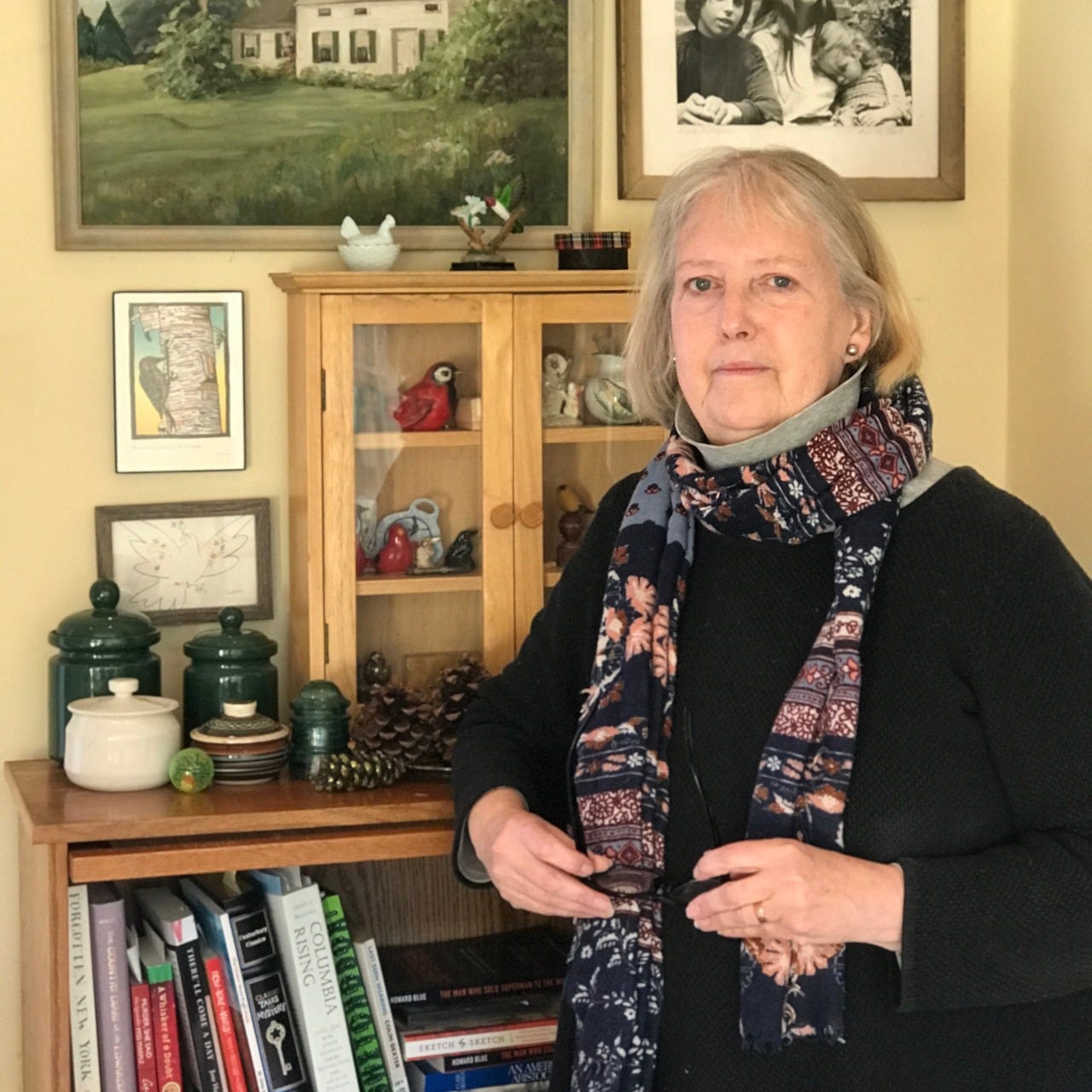
Lesley Doyel: My name is Lesley Doyle, and I’m the current president of the Roeliff Jansen Historical Society. The society was formed nearly 50 years ago. This coming summer of 2024 will be our 50th anniversary. It was formed by the town historians of five towns: local towns of Ancram, Copake, Hillsdale, Gallatin, and Taghkanic. All of these are kind of united by the Roeliff Jansen River, which is a major tributary to the Hudson River. It starts in Austerlitz, and it goes all the way through Columbia County and empties at Linlithgo into the Hudson River. And that’s why everything is called Roe Jan in this area. The Historical Society’s mission probably best describes it, because we are charged with collecting and preserving and sharing local history, which we try to do.
We do this through programming, through maintaining archives, maintaining an expanding collection — an ever-expanding collection — and also through exhibitions. We have a major exhibition every summer. So, we are the repository of local history. We have oral histories that we share. We have a very active website. And it’s been our pleasure to really make everybody feel welcome there, and that their stories count and are important. And we have, you know, major objects, and we have, like, can openers from a local bar that was important to people. So it’s varied, and it’s ever growing, ever expanding. And we’re lucky enough also to have our own home, which not every small town has. We are in a former church, the Old Copake Methodist Church, which was built in 1892 and served the community for 63 years. But then, in 1955, it was closed. The Methodist congregation was moved to Church Street in Copake Flats, as they called it. And the church was closed for 28 years and abandoned. So, neighbors sort of looked after it and mowed the grass, but the windows were broken, the roof started to leak, and so on. But the local community saved it, repurposed it, and gave it to the Historical Society. So, that is our most significant object that’s preserved, is the church building itself. It’s a wonderful place to exhibit and to have our programming.
MF: I really like that you have small things like a can opener. Because, usually, when people talk about history, it’s often the winner’s side of the story. People who accomplished something big.
LD: And we have that, too, but we have the small things.
MF: Right, telling the story of more ordinary people who lived here. And I saw some similarity between that and birding. When I started paying more attention to birds, I came to realize that it’s not just about knowing birds, but also learning what’s surrounding them. You really have to understand the environment and the history of natural landscapes around birds in order to understand birds themselves. We chatted a little bit about it when we met. And you mentioned you also love birds. So, we’re sitting here right by a bunch of birds in your own backyard. I wanted to ask you about your personal relationship with birds, as well as local history. You had interesting family episodes.
LD: Well, my parents were very invested in birds, as well. I grew up in a townhouse in Manhattan, in the Chelsea neighborhood, that had a huge backyard, you know, larger than usual. When my folks first moved there, a lot of the buildings on our block — and this was in the very early 1950s — had been transformed into rooming houses. And it was a rundown, waterfront neighborhood. People started buying up these old buildings and renovating them and repurposing them, and living in them. We were lucky enough to have a woman from Tasmania, of all places, who bought the house and did lots of wonderful work on it. She was very tiny, and she was a horticulturist. She was the head of the horticultural society in New York City for a time. She transformed what was basically sort of just a muddy backyard. In those days, people hung their laundry out, so there were lots of laundry lines and laundry hanging. She transformed this with flagstones. She made a deal with the police department to get manure from the Morgans, the horses from the horse detail. There was a fish market around the corner, and she made a deal with those people to get the fish heads and enrich the soil. And it transformed it into this really magnificent garden.
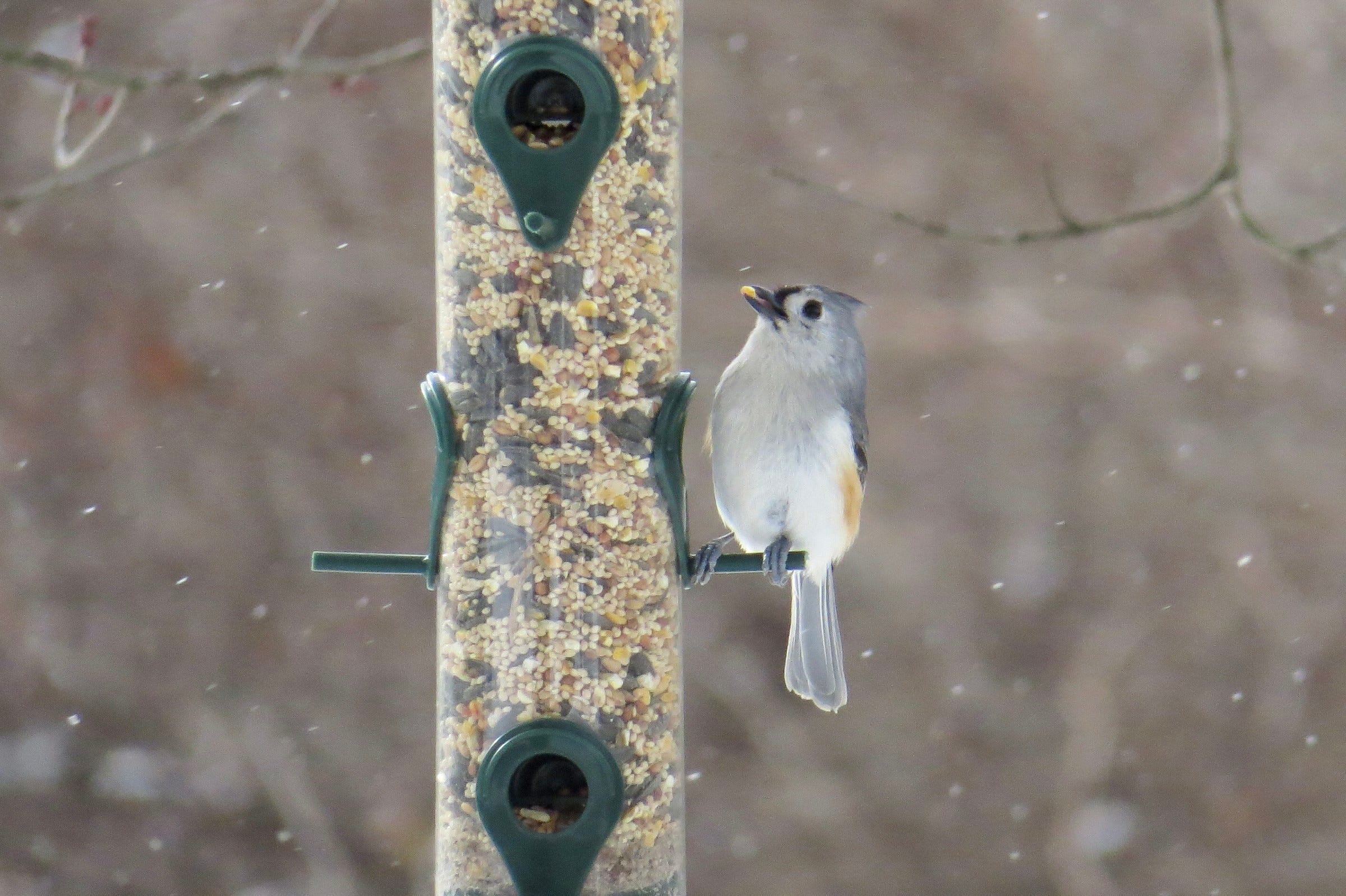
When she finally decided to move back to Perth, Australia — and she was a big bird fan, too — she said to my parents, “I would like to offer you the first option to buy, because I think you’ll love it, and you’ll take care of the garden. And, of course, along with this beautiful garden were birds. So, we always had feeders. And I didn’t really know as a kid — I appreciated it, but I just didn’t know the names of the birds. I knew a Blue Jay. I knew pigeons, and so on, but they really sort of cultivated that. And eventually, I understood what they saw in birds and why they enjoyed it.
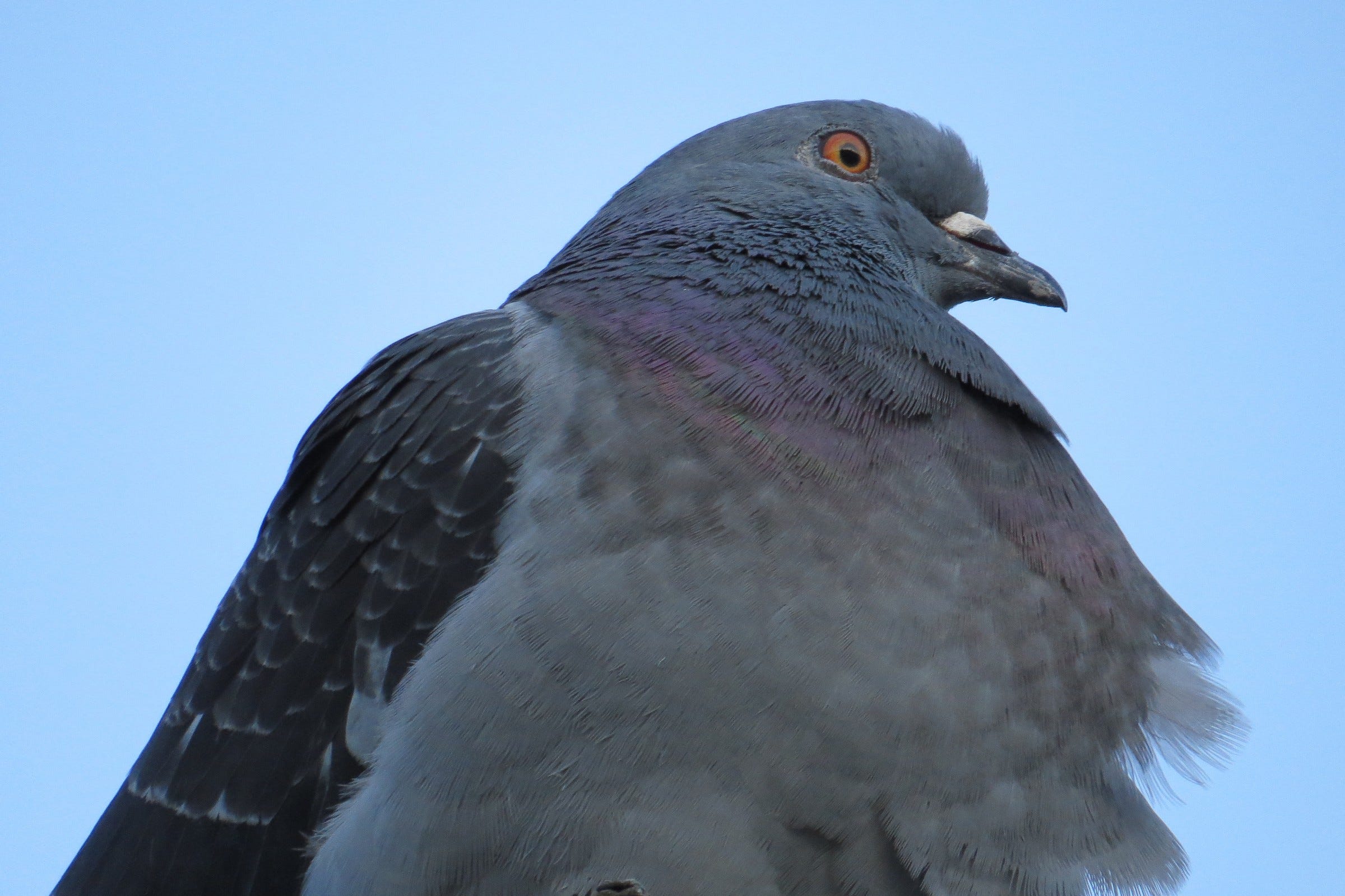
If you’ll look up here, if I can make this reference — this is a subway poster that my daughter gave me for my birthday. It’s got pigeons on it. Pigeons are much derided as vermin, but I have always been very fond of them. We had befriended two pigeons. One was named George, and he was flightless. In front of the townhouse was an alleyway with a gate, and all the houses down the block, which is very typical in New York City. And he remained in the gated area. He would come when we called his name.
MF: So he knew his name.
LD: He knew his name. He knew. And he would sometimes go out the gate and when I picked up my daughter from school, we’d sort of hang out in front, and George would come out and visit with us. If he’d start to go out, we’d say, “George, George, come back.” He lived with us for a couple of years and passed. But he had a great time.
MF: You named him George, why?
LD: My father named him George. I don’t know why. He just thought he looked like a George. And then, I had a very special relationship with a pigeon that we called Specky. She was mostly white and with speckles. I loved this pigeon. She had, unfortunately, around her leg, she had gotten a string. And I could never get close enough to get it off of her. She must have just gotten used to it. When I would come home from work and be walking from 9th Avenue down, I would see her up across the street on one of the window sills. And I would make a special call to her, and she would come swooping down, and I would feed her. This went on for a couple of years. One day, she didn’t come back. Everybody remembers Specky very well.
MF: So, neither of the pigeons were your pets. They were more like residents.
LD: They were the outside birds. We had the Blue Jays and the other birds and lots of sparrows, of course, which is a very urban bird. But those were two special bird relationships that we had in the city.
And then, when we moved up here, there was a tree, if I can once again reference, where we had this arbor where we hang the bird feeders. There was a single tree there, and the previous owners had placed a feeder on branches that extended. We just fell in love with the birds. And we would only come up on weekends. The first thing that we would do is, of course, take the dog out, and the cats, if we had them, and then we’d rush out and fill the feeders right away. We just became avid bird fanciers and started to learn all their names. Friends have given us all the famous Sibley books and Peterson on birds, and it’s just become part of our life. The first thing that you do in the morning, you make the coffee, and then you go out and feed the birds in all kinds of weather. And then, of course, getting to know them through the seasons is incredible.
MF: People who feed birds, some of them have some kind of hostility towards certain species. [laughs] Like, some people don’t want squirrels come to their feeder, sometimes even Blue Jays.
LD: They can be very aggressive.
MF: Right. But you said that you feed everyone who comes to your garden. They don’t even bother your vegetable garden or flowers, which are for humans.
LD: Yeah, that’s in the front. The back is all theirs. And it’s about an acre. We have woods surrounding the property, and that’s where the deer will pop out. But they leave the garden for humans alone. We have daylilies out here, which sometimes the deer eat and sometimes they don’t, but they’re welcome to it. The little beds, or the large beds in the back, we have bee balm and things that are very bird friendly. And, of course, the hummingbirds have been here. You know, I never knew that the hummingbirds would come this close to the house. They’re so magical. So that’s been a wonderful addition. And, as I mentioned to you, one of the great pleasures of looking out of these windows is we read about the animals and the birds, but then to see the behavior is very, very exciting.
And we read about the groundhog, which is also called the woodchuck, and it’s also called a whistle pig. One afternoon, as I was looking outside, I heard this [whistles quietly.] And straight back there, there’s a burrow. I know where all their burrows are. [laughs] And he was sitting up and whistling. And I said, oh my God, they really do whistle.
MF: That’s so cute. Your father also had a story about a woodchuck, the woodchuck hunt.
LD: My parents were from a very small town in rural Indiana, called Winchester, and he grew up hunting. And one day, he was courting my mother. They were both from the same town. My mother lived on a farm, a very huge and historic farm. It had been there for a long time. It had beautiful outbuildings and a beautiful house. And my Uncle Lloyd, her brother, ran it. One day, my father said — he really, more than hunting, he wanted to just spend time with my mother — so they said, “We’re going to go out into the woods, if that’s okay with you, Lloyd.” Because he could be a little nutty. And Lloyd said, “All these groundhogs, if you see any, please shoot them because they’re driving me crazy and they’re digging up my crops.” So they walked into the woods and they came upon a tree that had a sort of a V in it with the trunks, and there was a groundhog stuck. Couldn’t get out. And that’s another thing about them that I was very surprised; that they’re very good climbers. Anyway, instead of shooting it, they spent the entire day getting him down. Because they can be very ferocious, they probably had to prod and do this and that, and they freed him. That’s when he said, I’d really much rather help animals than to hunt them. That was one of my favorite stories.
MF: Yeah, I really loved it when you told me that story, too.
LD: It changed his whole life.
Another animal story I thought of was the time when I saw the possum play possum. One day, I was doing something out in the back, and I noticed that around this old, gnarled tree, there were many Turkey Vultures. And I thought, what’s going on? So I walked over, and they’re pretty ferocious looking, and they’re very big. And they sort of started to fly away. That’s when I looked over the hedge, and there was a possum lying there. And I thought, oh, my God, they’ve come to get it. And before I knew it, after they’d left, I saw the possum’s nostrils flare. And he sort of came to, and it was as though he looked at me and he said, thanks, waddled off. It was incredible.
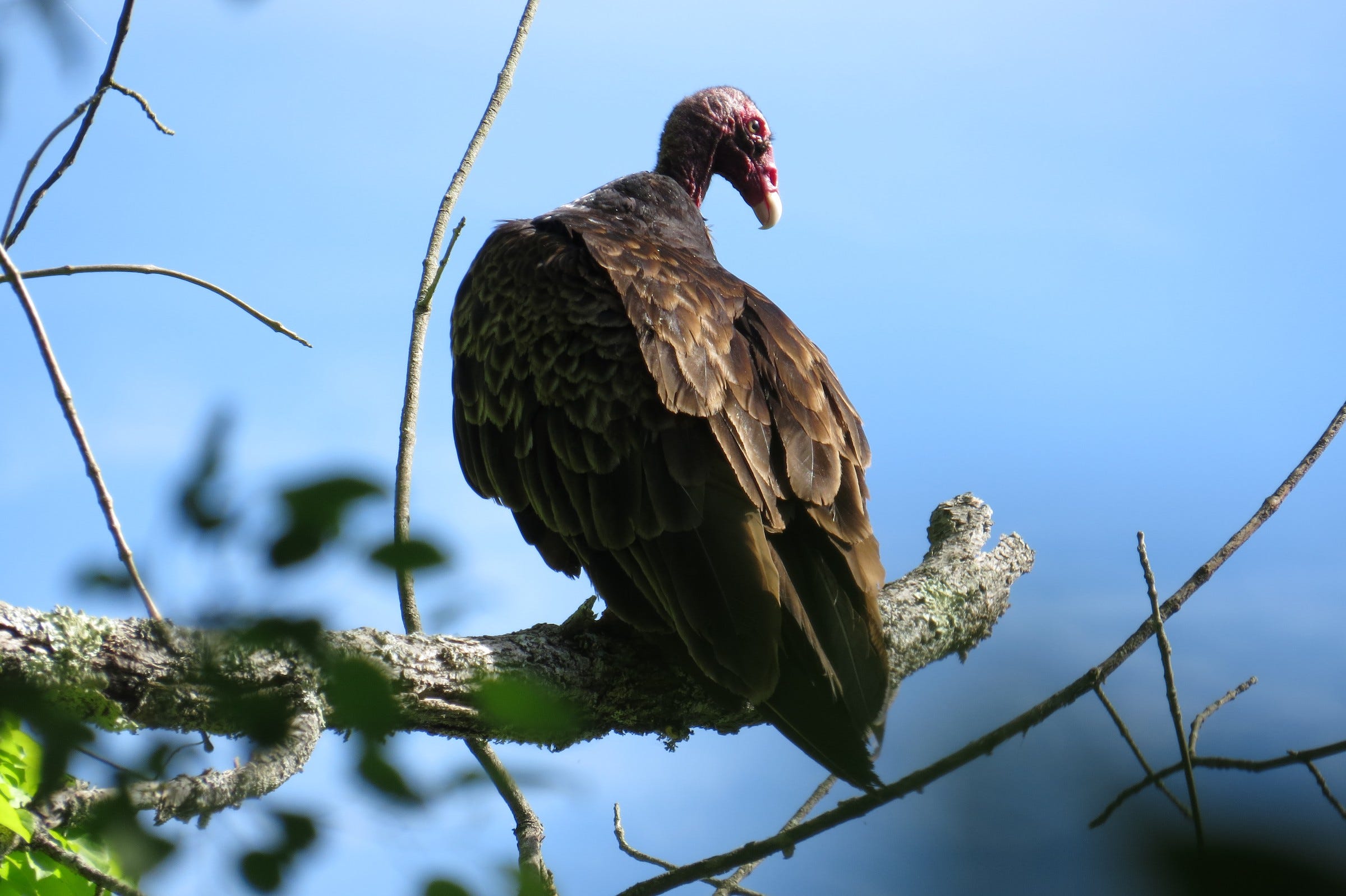
MF: It’s really funny. Yeah, we do have a bunch of Turkey Vultures around here in Copake.
LD: And they serve a purpose. They, you know, they keep the roads clear of roadkill.
May I tell one more story that’s related to birds and animals? This must be about six years ago. We have, right across from the auction house, the little pond, which is a water source. We’ve actually seen the fire truck filling up there, which is an amazing thing to see.
But the pond itself is called Folgers Pond. One afternoon in August, I believe it was, it was very hot; it was about 97 degrees. And we get a call from our neighbor, and she says, I just want to let you know that there’s a bear taking a dip in Folger’s Pond. [laughs] We have incredible photographs of this. He had come down from Tom’s Hill, and he was hot, so he was taking a little dip. She said, I just want to let you know in case you’re going to go out with a dog, and to take in your feeders. And of course, some places are very strict about it; in the spring, you take your feeders in because the bears are waking up, and they want the quick protein.
So we ran out and we got the feeders and took them in. And before I could get the last feeder in, which was given to me by a very dear friend and fellow bird lover, my good friend Alice Blohm, she had given me a vintage thistle feeder that was the only thing left out there. And before I could go back, I went, oh, my God. And that’s when we still had the tree — there was the bear hugging the tree and reaching up for this thistle feeder. And I thought, oh, no. So I tapped on the glass, and he looked up, and I said, “Please.” And it was really as though he said, okay, there’s not much in there anyway. He got down, and he sauntered away. And I have it still.
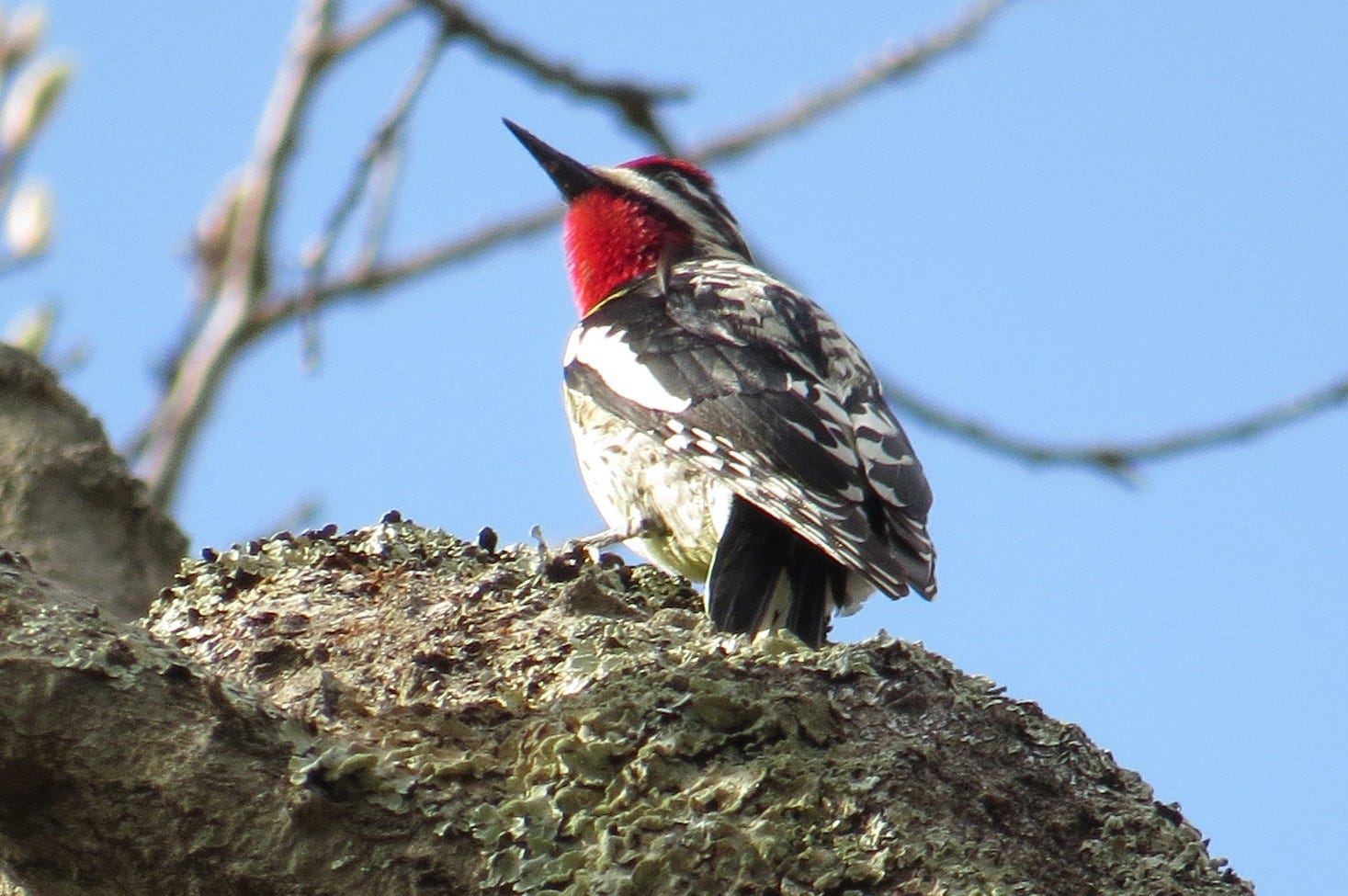
MF: So, all these forests around here, all these trees around here, they’re all planted not so long ago. I learned this from Dave Decker, the land steward of the Rheinstrom Hill Audubon Sanctuary in Hillsdale, not too far away from here. That’s the first time I learned that the forest there also is all man made. It’s been planted by Carroll Rheinstrom, but before that it had been farmland. And then, I learned from you that here in Copake Falls, there’s a similar history that these trees, the Taconic State Park and all that, they’re not that old either. I’d think such a change of the natural environment directly affects the birds’ habitats and population. So I was curious about it. Could you tell us what basically happened here.
LD: Sure. Copake Iron Works, as it was called until the early 20th century, attracted the Pomeroys because they discovered that there was iron ore very close by. There were all the right ingredients to have a furnace, as it were. They had the water from the Bash Bish for water power. They had the woods all around the whole area because you need wood to make charcoal, which burns much hotter than wood itself. And it had the iron ore. And then eventually the railroad. They opened in 1845. The railroad started to come up here. It’s incredible to me, how early it was. It was in 1852, so the Harlem Line started coming right into what they called Copake Iron Works, which is now the rail trail.
And so all of these ingredients were there, but the trees were... If you look at old photographs of Copake Falls, that whole area was denuded, literally. They chopped down all the trees and colliers would be up in the woods making charcoal. A lot of them came from France, apparently, where they had expertise.


But the whole area was devastated in terms of its environment. It’s an interesting question, because the bird population probably really dwindled. Eventually, they learned — I guess environmentalism was a thing of the future — but they discovered that they needed the trees to keep the land from eroding. They started to have flooding and it became a very bad situation. They also ran out of iron ore. So, at that time, in about 1903, they closed the Iron Works. And, happily for us, two families, including the Masters, who are still here, Edgar Masters is still very, very involved with the Iron Works. His grandparents had a huge amount of acreage which they donated to become parkland. So that is one of the bases of Taconic State Park.
And the ore bed, where this ore was mined for many, many years, has become a wonderful swimming place, which is called the ore bed still. And slowly but surely, things started to come back. Then, starting in 1933 — you asked me about the Civilian Conservation Corps, which was organized by Franklin Delano Roosevelt, President Roosevelt. He lived not far from here in Hyde Park, and he was very invested in parkland and conservation. And so the Civilian Conservation Corps was organized, and it was a way, during the Depression of employing people. It was young men, apparently, from the ages of 15 to 25 or so. It went from 1933-42, and they planted thousands and thousands and thousands of trees. That’s where you get the new growth from. So it was really, you know, it was another wonderful part of the New Deal. We have all benefited from it, including the birds and the wildlife. It’s become very well populated again.
And there was a lesson to be learned. I think that at that time, people were beginning to realize that you had to rotate the crops, otherwise you couldn’t grow. The soil was not rich enough to grow anything. And if you had the misfortune of a drought, you had everything just blow away. So, people were learning these lessons, and that was a very good part of it. And we’ve all benefited, all of us, from it.
MF: It’s kind of incredible because the Iron Works only lasted about 60 years. Yet, it had such a large impact on the environment. We can ruin things in such a short period of time.
LD: Such a short period of time. I guess, when people came to this country for the first time, they must have seen nothing but woodland. Then, it had to be cleared for agriculture, had to be tamed, roads had to be built. But the Iron Works is certainly an example of the economic engine. It employed many people, and it also brought people here. The population really increased, and people of all kinds and all backgrounds came. When the Irish, during the potato famine, came to New York City, they were not welcome. There were signs saying Irish need not apply. But Lemuel Pomeroy, the first owner of the Iron Works, said, hop on the train and come on up and I’ll hire you. And that was really remarkable.
MF: It’s also a hopeful story, because when we see the landscape here, it’s so rich in terms of nature now. The Civilian Conservation Corps were active for only about 10 years, 1930s-40s, and yet they were able to make a difference.
LD: And then, I guess, what really happened was, everybody went to war in Europe and in the Pacific in 1942, the many theaters of the war. And, in a way, the Civilian Conservation Corps was preparing people for that, in the sense that they worked in unison, and they had all these techniques of environmental conservation, and so on.
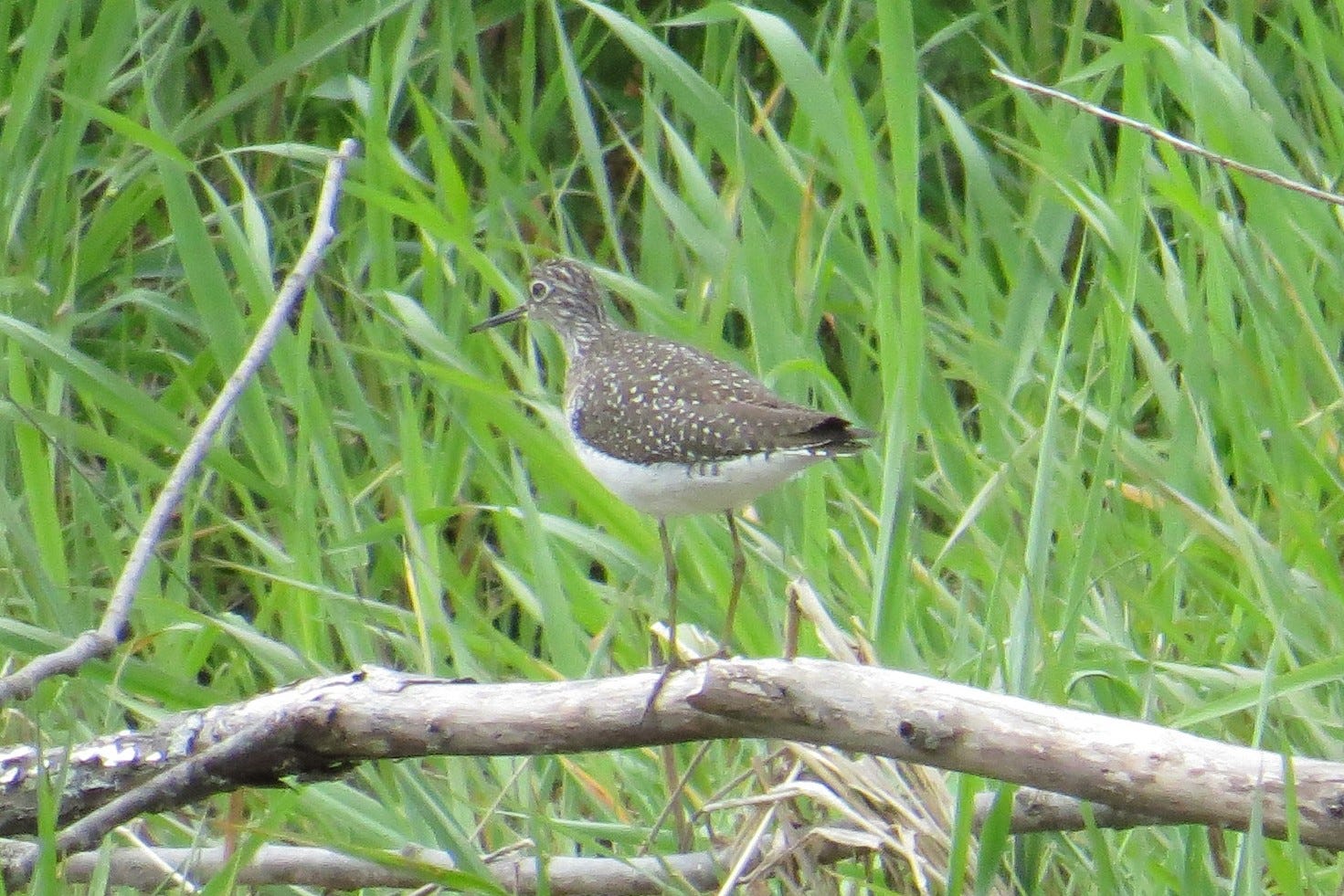
MF: You mentioned that 2024 is the 50th anniversary of the Historical Society. Is there any event happening?
*This interview took place in November, 2023.
LD: Well, it’s interesting because it’s also the bicentennial of Copake itself. We’ve been here for 200 years. So, we will be doing a show about the five hamlets of Copake, and there will be many events. Picnics and special programs and tours. We’ve been charged with doing the exhibit, which is a privilege, really.
And I don’t know if you know, the building right down the road when you turn into Copake, you pass the auction house and you come to the first meeting house, which is sort of partially and not very well renovated. But that was where the first town meeting was in 1824. So, we will fit in our celebration into that because we’re sort of central to the preservation of the history of the area. That should be exciting.
MF: Do you know — I’m sure you know — the train depot at the end of Copake hamlet? Somebody’s renovating…
LD: Yes. A woman named Stephanie Sharp.
MF: What do you call that… A caboose? What’s the story of that place?
LD: I think people despaired of it for years. You know, what are we going to do about it? And who can be in this wetland? And it’s in very bad condition. The depot was for a different railroad line that was for the CNE, the Connecticut New England Line. There were many railroads, and that one has also disappeared.
MF: Was it connected to Harlem Valley Rail?
LD: No, it was a completely separate railroad line. There was also the Rhinebeck & Connecticut Railroad and later served the Central New England Railway, so the train was very essential.
So, people in Copake despaired of the train depot. Then, the young woman bought the property and also the old school on Empire Road, the old Copake School. She’s from Australia and this is her passion. She’s renovating the school and she’s gonna have her offices there. And I think her husband is working with her on all of this. So she bought the depot, which we never thought would happen. I mean, it was just like a miracle. She’s gonna do probably some sort of, I think, a little museum and maybe have a BnB there. It will enliven that part of town. And it’s a very important. Another very important aspect of the history of the town itself.
MF: So, there will be a lot of events happening in 2024. Listeners can find information on the website.
LD: And the town website. We have a bicentennial committee that meets monthly. And there’s going to be a play. Somebody’s writing a play about the first meeting. So, it’s really kind of amazing.
MF: Are they performing it at the Grange?
LD: The Grange, yes.
MF: I keep forgetting how to say the word “Grange.” [struggles with the pronunciation]
LD: Grange, that was where you would store the grain. That was a very important aggregate. It was formed right after the Civil War, and it’s nationwide. It was really for farming families to provide culture and a place to meet and learn. It was very invested in the science of agriculture. It has a very interesting history. So, we consider all of these our sister organizations. About seven years ago, there were hardly any members of the Grange. And now, they’ve got at least 120 active members. So that’s very exciting. And it’s a very, very old organization.
MF: The more people pay attention to their immediate neighborhood, community, and environment, the better. Just like in bird conservation.
LD: Exactly, exactly.
MF: Okay, thank you very much.
The Copake Iron Works Story by Friends of Taconic State Park
The Copake Iron Works was established in 1845 along the Bash Bish Brook at the base of the Taconic Ridge. In 2007, the Copake Iron Works site and 18 acres surrounding the area were listed on the New York State and National Register of Historic Sites. The Copake Iron Works Historic District comprises all of the buildings in the Copake Iron Works area, the historic blast furnace, three workers’ houses and the now-flooded ore pit, as well as the previously National Register-listed Church of St. John in the Wilderness. In 2016, the Copake Iron Works was designated a National Heritage Area Site in the Hudson Valley. Located within Taconic State Park in Copake Falls, NY, the site is jointly managed by NYS Office of Parks and Friends of Taconic State Park. The Copake Iron Works Visitor Center is open daily and self-guided tours of the surrounding site can be enjoyed year-round. Guided tours are available on weekends from May to November and by appointment. Wifi and parking are free. Access to a scenic trail to the Bash Bish Falls can be found at the eastern end of the parking lot. For more information, including a downloadable trail map of the Ironworks Heritage Trail, visit the Friends of Taconic State Park website.
Bird-inspired music of the month
Lesley and her husband Nick are also the people behind Lyrichord Discs, a renowned record label specializing in music from around the world and early classical music. We will hear bird-themed songs recorded in Asia from its catalog. Plus a brand-new field recording piece by Jean-Baptiste Geoffroy (forms of minutiae 2023.)


