


Beakuency welcomes Peter Schoenberger, an expert birder and bird photographer in Woodstock, Ulster County. We never know at what stage in life we’ll receive the call. Birds suddenly captured Peter at the age of 43, during a time of grief, and they’ve never let him go since. Their presence has a way of grounding us in the moment, because they’re always tied to a particular habitat and season. Peter’s story and observations remind us to appreciate this mysterious force of nature, the call that takes the form of birds and connects us to the living world.
Peter often leads bird walks hosted by the John Burroughs Natural History Society. Check out their event calendar at: https://jbnhs.org/
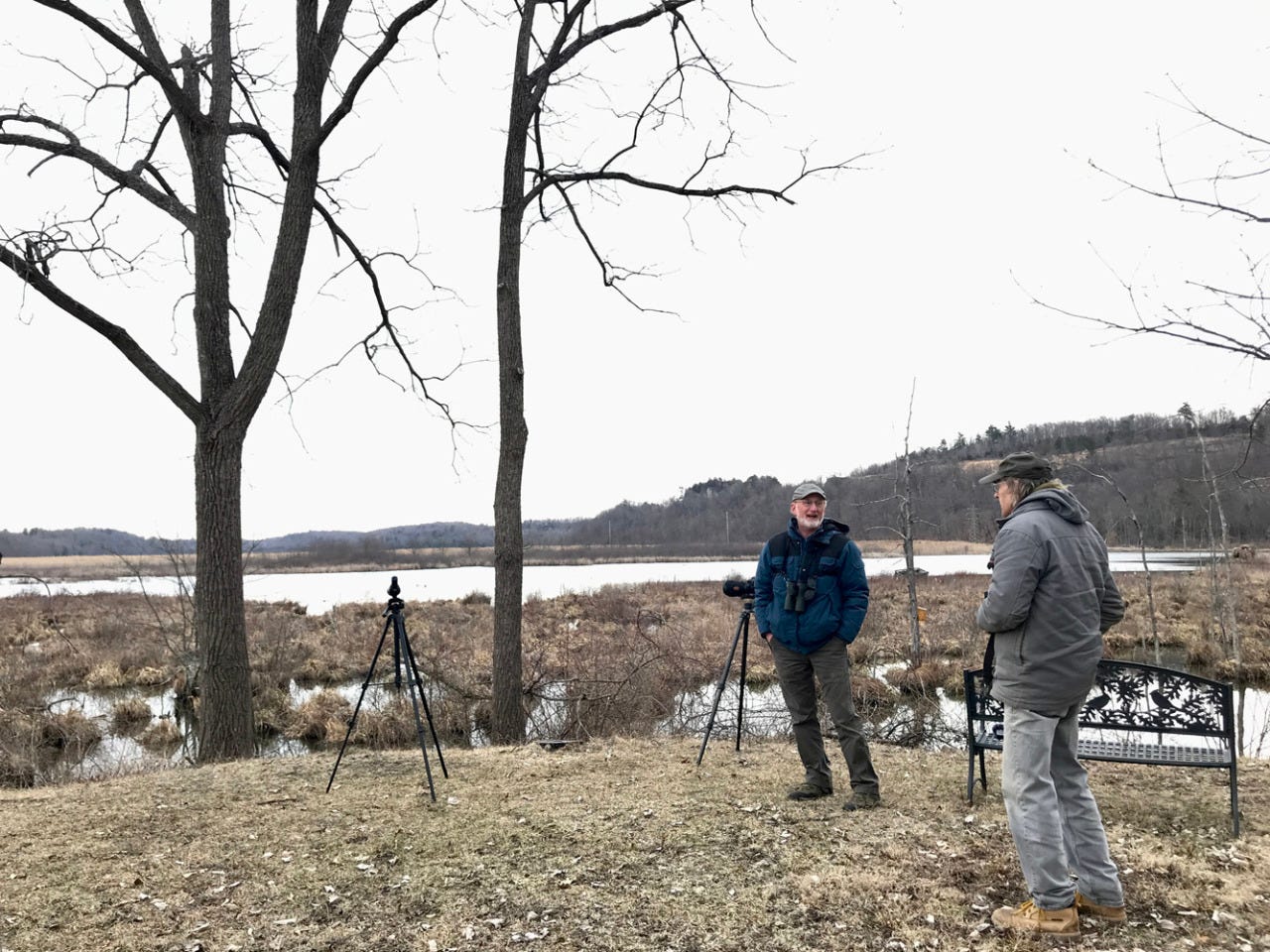
This interview took place in the Great Vly Wildlife Management Area located in West Camp, the border of Ulster and Greene Counties, on March 17, 2023, and broadcast on Wave Farm’s WGXC 90.7FM on March 25, 2023.
Interview Transcript
Mayuko Fujino: Could you briefly introduce yourself?
Peter Schoenberger: Okay. I’m Peter Schoenberger. I’m from Woodstock, New York. I’m a birder and a bird photographer, and I’ve been at this for close to 20 years now. It’s my heart’s passion.
MF: Could you tell us about this place, Great Vly [Wildlife Management Area]?
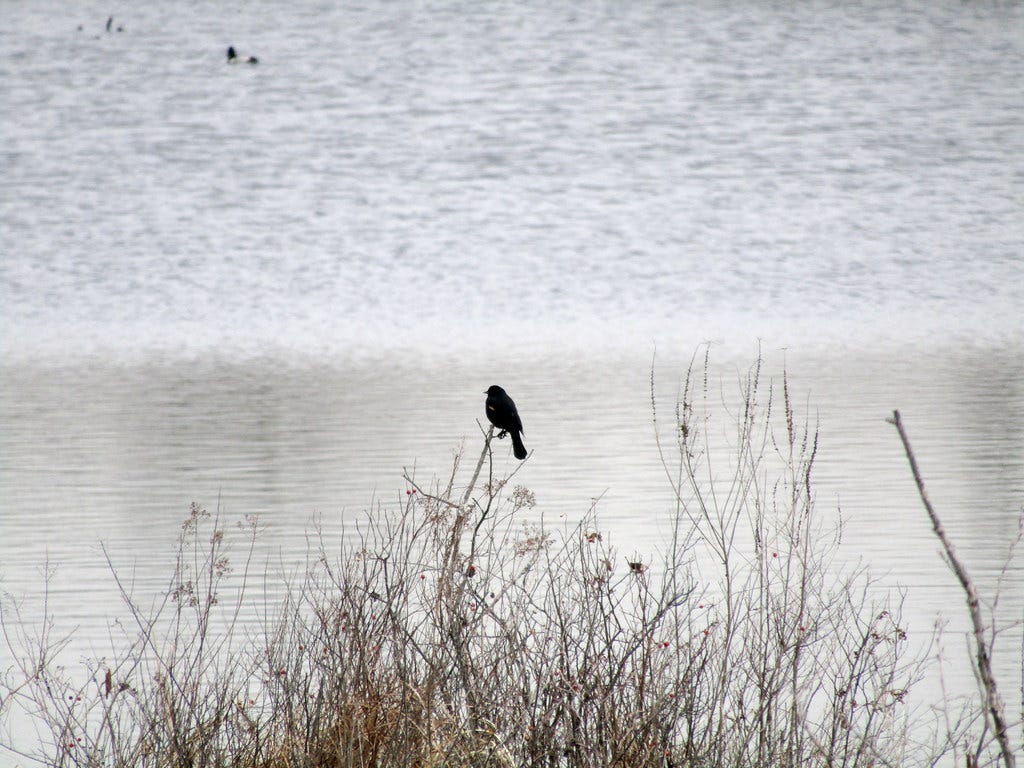
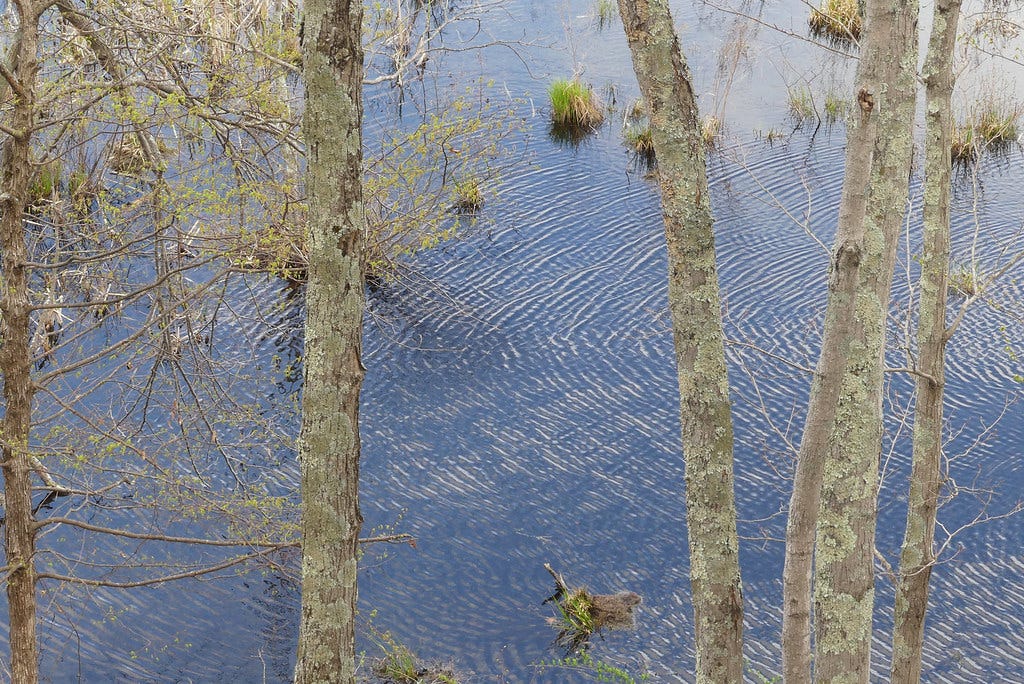
PS: It’s a Dutch word for “swamp”. And there’s a lot of bodies of water around here called “vly”. But this is the Great Vly. And it is five acres that surrounds this body of water that’s about a mile and a half long. And it is, actually, I’m told it’s a bog, technically, because of the floating mats of mud. It’s a wonderful place. I’ve always been attracted to places that humans have desecrated, like this place. These are places used pretty much like a dump and industry. There was mushroom processing that happened right on this land that we’re standing on. And it’s been a dumping ground for people. But the wildlife doesn’t care, and they’ve come and made it their own. And we have a great variety of birds and bobcats and bears and otters and, you name it. So, since the first time I ever walked here, I’ve always been drawn to it.


MF: So I read a little bit about you, assuming that there’s no other Peter Schoenberger in Woodstock.
PS: I don’t think so. (laughs)
MF: I found it very interesting when I learned that you hadn’t been a birder until the age of 43. As we get older, we could become a little reluctant to put ourselves in the position of a beginner. And I always find it inspiring to hear about people who start something new as an adult or at an older age. I struggled a lot with mental health in my 20s. So a lot of the things I started, I had to start as an older person. I learned English in my 30s. And, you know, I’m doing radio but it’s only like seven years or so. So I always had to put myself in that place, even as an immigrant too, where you’re the one who doesn’t know anything. And that can be intimidating. I don’t know if anybody has experienced it the same way, but I just find it sometimes challenging. Although it could be exciting to walk into a completely new thing as an older person. So I was very interested in your experience.
PS: Well, I can only put it this way, and I think people find birding whenever they find it. I had no choice in the matter. My situation was — I grew up in the woods. I grew up with binoculars around my neck, but I was not looking at birds. I was a hunter too. I used to hunt when I was young and I was looking for amphibians and White-tailed Deer and whatnot, but just did not see birds. And as I go back over my life, I see a million times where I saw neat birds. And it could have pulled me into that, but it wasn’t.
Well, actually, the story is a little more interesting in that, when I was 37, my one and only son was born. And when he was two, he was diagnosed with a very rare cancer. After several years of trying to deal with that, he died. And when he died, it became very clear to me that I needed to take care of myself and just slow down, no demands on myself.
I continued like that for several years and I was still hurting because of my, you know, losing my son. And I finally decided to book a trip up to Vancouver island in Canada where they take you out and you kayak with Orca whales. And since I was doing that and spending all that money, I decided I’m gonna buy some really nice binoculars.
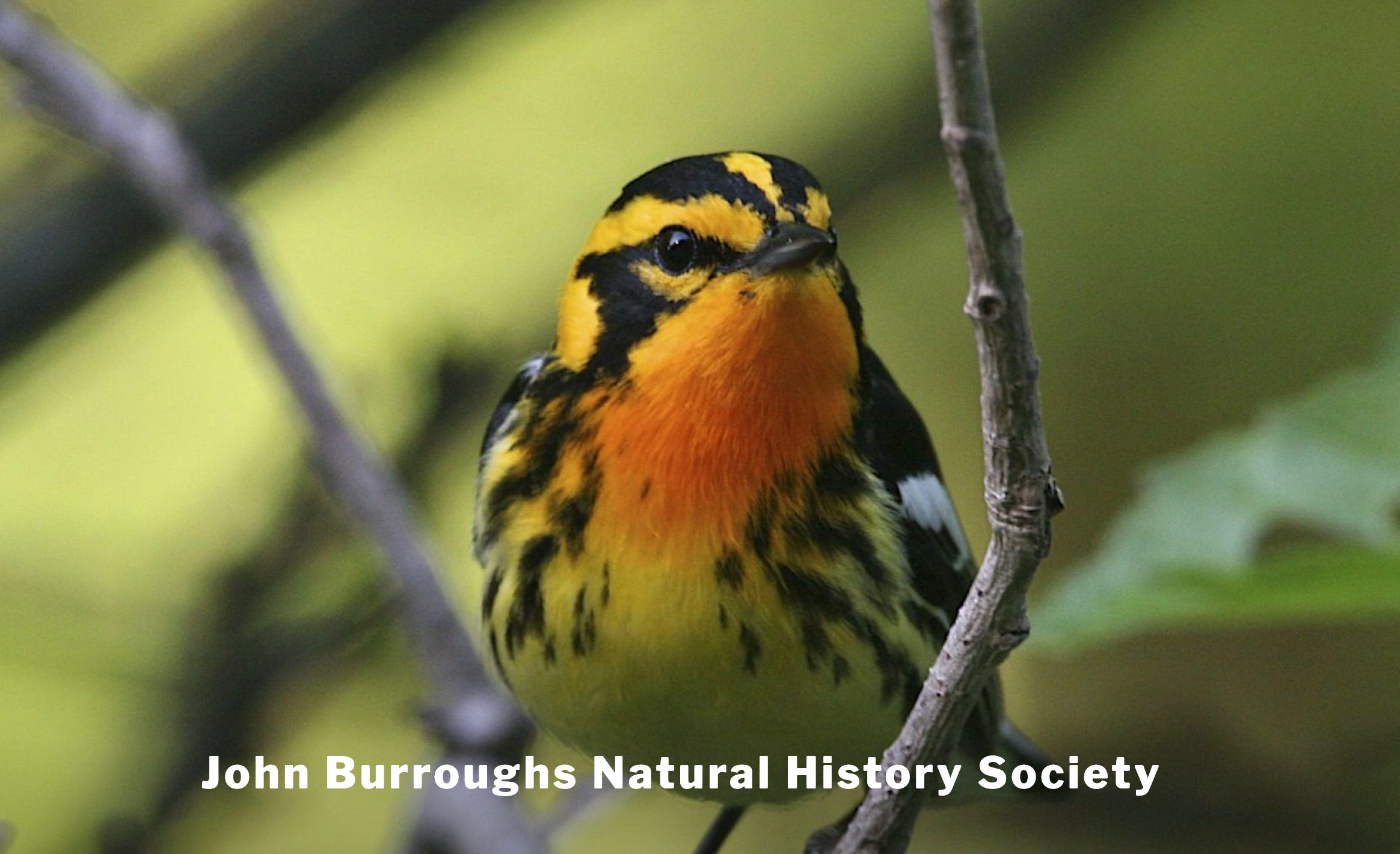
So I did. I ordered a pair of these Swarovski binoculars I’d seen in a sporting goods store. When they came, I sat down on my deck and I’m looking up in the trees and I see this little black and white bird with this tang orange throat, just really bright. I looked it up. It’s a Blackburnian Warbler. It just blew my mind that this little bird was right there in my property. And it just got me thinking, my goodness, what else is there? And that was the moment. It just happened. And from that day — I mean, prior to that, I, like you, suffered in my 20s. I was hurting and without direction. I didn’t know what I wanted to do when I got older. And my hobbies would last a year, and then I’d get bored and I’d move on to something else. But that moment that happened with that Blackburnian Warbler changed everything. I suddenly had a passion. I needed to know who the birds were.
It wasn’t like just an interest. I was compelled to find out who they are, where they are, when they are. So I just began. And I never stopped. Just never, ever since then, I’ve been at it. All day, even when I’m working, I’m still looking around. (laughs) It’s what I do, and I don’t know what it is. I’m very fascinated by what that is, what it is that changes one thing. One day I could care less about birds, the next day I needed to do it. I don’t know. And I often ask other birders, what is it for them, because it doesn’t seem like it’s the same thing it is for me. But having that passion after having 43 years of not necessarily having a passion in life was a real gift. It’s the reason I wake up in the morning. It really is. I’m just grateful to have received it.
MF: Going out and watching birds is sort of like part of a recovery. It just expands your life and world.
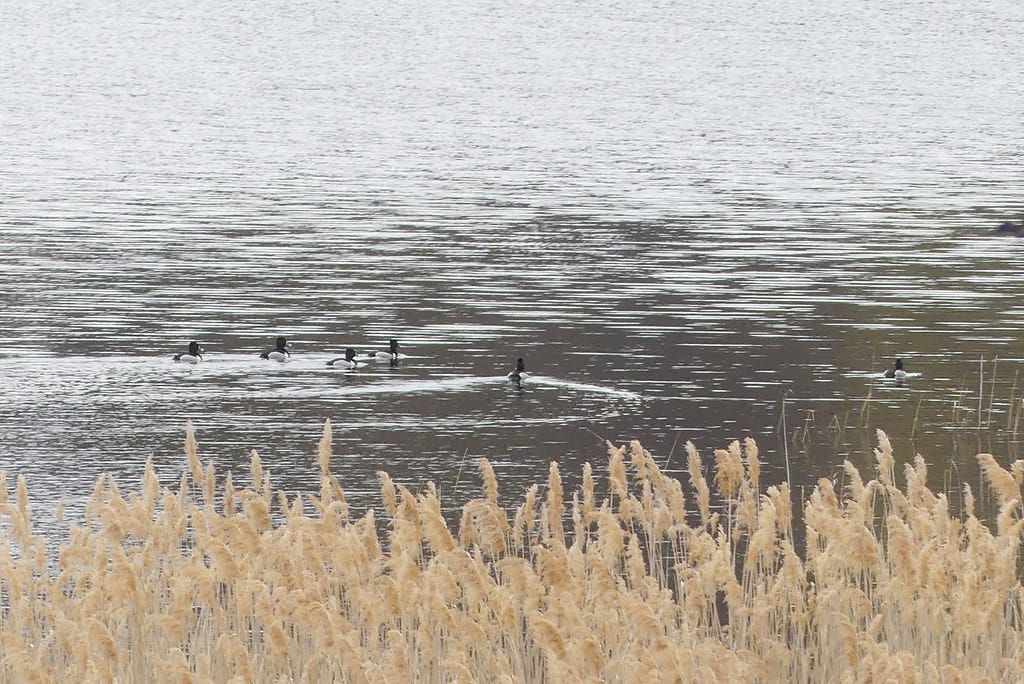
PS: Well, the natural world has always been like religion to me. I’m not really much for organized religion. The natural world to me is always a place, I went as a child for solace, for comfort and the quiet of it, and it’s always been a special place for me. But what the birds did is they took the natural world. And because birds move around and they’re so habitat specific, it really defines where you are. If you’re at the Vly, you’re gonna see this bird, that bird and that bird. If you go over to the Hudson River, you’re gonna see another set of birds. So they inform that nature that I love so much. They really place you. If you’re seeing Green-winged Teal, you know, you’re in a certain habitat. And something about that magical thing that can fly and can migrate 9,000 miles, like shorebirds do. It makes my mind swim with imagination.
MF: I wonder if it kind of pulls us out of our little headspace and puts us in a much bigger world and just makes you realize that. Especially when you’re suffering, you can’t feel much of other things. When there’s so much pain or when there’s so much burden or stress. I think a lot of people experience that, they don’t have the capacity to think of, like, stop and look at a little beautiful thing because you’re so full of whatever is going on in your life. But once you’re somehow taken out of that little head space, and suddenly see that all this huge world is out there and doing their own business and you kind of just go in and learn it.
MF: You said you grew up in the woods. Are you from New York State?
PS: No, I grew up outside of Philadelphia, Pennsylvania, in a little town called Brynathan, which is a funny little place because it is surrounded by a dense human population. But it’s a throwback. It has a little pennypack creek that runs through it and a lot of wooded areas and still has farm land around it, but it’s a tiny little place. So I grew up in that creek. In the woods, down outside of Philadelphia.
MF: That’s really interesting, so you grew up in nature. I grew up in a suburb of Tokyo and so I didn’t have much of any living experience of nature as a child. I spent my adulthood in Tokyo, and then I moved to New York City. So this is the first time I’ve really been surrounded by trees and everything. And so for me, I’m not even there to have the sense of difference between being mind blown by the caddisfly larvae, or by the birds. Everything just blows my mind. So I find it interesting that you were familiar with nature, but then there was something about birds, particularly.
PS: Somehow, for some reason, got me. Well, you know, I’m happy for you that you were able [to enjoy nature.] I find a lot of people who grow up in cities, they end up being afraid of nature. Nature is scary. Woods are where the bad guy is. The bear is always going to attack you, in their mind, you know, and the truth is — well, my experience of the woods is that it’s the safest place you can be. There’s nothing that hurts you in the woods. It’s a peaceful place. Animals are just doing their thing and they’re not out to get you. So that’s great that you enjoy it.
MF: Yeah. I’m so happy since I moved upstate. But so once you started birding, did you join a bird club? How did you go about it?
PS: It didn’t happen immediately. Now, this happened to me in 2004. So you could be online, but the world wasn’t online yet. And so, the way birders told each other about things were phone trees. They would call, if someone saw a rare bird, you would actually call up and find out. And so I did poke around to look at different bird clubs, one up in Greene county, which didn’t tend to do much, but I did join our John Burroughs Natural History Society. And once I did my first Christmas Bird Count, that was what really nailed me down. That was to me, blew my mind doing my first bird count like that. I just knew I was going to be doing this for the rest of my life. But, you know, I was amazed. I went out with those people and they knew everything and they could magically call in owls. And they were just showing me birds. Horned Lark, I had no idea. It was very cool.
MF: I was the same. I went to the Christmas Bird Count in Central Park and that really got me too. So you learned from other birders.
PS: Oh, absolutely. The first bit, it was mostly on my own with a field guide, a Sibley’s guide. And just working it out. I mean, I had a bird that called in my yard. I couldn’t find it. It did make the sound over and over, but it was invisible. I couldn’t find it. But I kept on hearing that song and hearing that song and I hunted for it and I hunted for it. Eventually I found it. Found out in the book it was a Louisiana Waterthrush. I have a little stream that goes through my property. So they breed along slow moving water. And so, you know, learning that way, slow and hard, and fought to find out who was doing that singing. It would be something I would never forget because someone didn’t say, oh, there’s a Louisiana Waterthrush, I had to figure it out, which was great. But it was also nice when people just say, oh, no, that’s this or that too.
MF: I tried to figure things out by myself too. And I kind of wish I participated in more walks so I get to hear other people talk about it. Seems to register my brain better. I had the Merlin app…
PS: Which is dangerous because Merlin can give a lot of information.
MF: You can totally outsource your brain, and you never remember anything, it seems.
PS: Right. Well, as people ask me when they’re talking about learning by birding by ear, by sound is the first question. They say, well, should I get recordings? You know, an app with recordings? And I say, yeah, it’s great, it’s wonderful to confirm something with. But what seems to help people learn bird song is finding and identifying the bird with your eyes and hearing it, that triangulation that helps you put it all together and that seems to what cements it in your brain. So yeah, Merlin’s a wonderful tool, but it’s got its limitations.
MF: What is your favorite local bird?
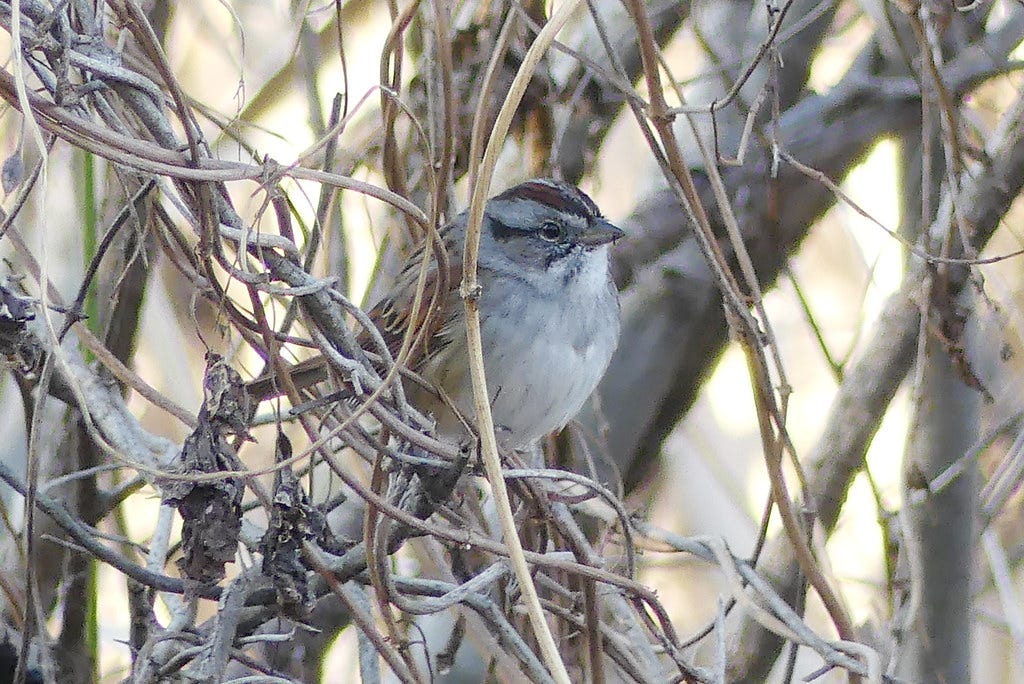
PS: My favorite local bird. This is a question every time I’ve ever been interviewed about birding. It must be human nature to want to know what someone’s favorite bird is. I do not have a favorite bird. (laughs) But that being said, my favorite family of birds is probably sparrows, which is not what most people seem to be interested in.
MF: I always find it (sparrows) the most hardcore.
PS: They’re hard, they’re difficult. Yep. Because they’re all brown and stripy. And I’ve always liked the birds that are rarer. I noticed that’s attractive to me. And in the family of sparrows, the family of Amadromus Sparrows, like Henslow’s Sparrow and LeConte’s Sparrow, those are my favorite of the sparrow family. And I love shorebirds particularly.
But I think if I had to choose one bird that really gets to me, it’s the Northern Saw-whet Owl. It’s a little tiny owl, it’s a migratory owl. We don’t know a whole lot about Saw-whet Owls and I find that fascinating. I never even thought to look for Saw-whet Owls around here until one night I heard one in my yard in January, tooting. And that got me into looking and I spent a lot of time. They overwinter here and they basically breed up in boreal areas, but they’re more abundant here than people have ever thought. And the more I look into it, the more I find some years, like this year, we don’t seem to have any this winter. But some years they’re all over the place. They’re very cute and mysterious and I love Saw-whet Owls.
MF: So they would be here in the wintertime. Some winters, sometimes.
PS: Some winters. We really don’t fully understand how and when and where they migrate. I mean we do know when they migrate through here. Right about Halloween, right at the end of October into November and they overwinter part south of here and around here. But it’s hit and miss where they are. Like I say, last winter they were all over the place. This winter I can’t find one, I haven’t seen. The last time I heard one was in December. And I go out frequently trying to find them. So I’m always trying to learn them by going out at night in various places and calling them. You’d find them in pine woods and low wet areas. Not big bodies of water, but you know, just like little swampy. Little swampy areas with a little bit of water in it. Tough one to find. I’ve only ever found one just stumbling upon it in the woods.
MF: That sounds pretty hard for beginners to find.
PS: Oh it’s hard for anybody to find a Saw-whet Owl. It’s a pretty big prize to find a Saw-whet Owl. They don’t want to be found. They just tuck themselves away. I don’t know if you ever heard that story about the one that was in the Christmas tree. They transported that whole tree with that Saw-whet Owl in there. They called him Rocky.
MF: Right, cause it went to Rockefeller.
PS: Yeah, exactly.
MF: But then what about sparrows? I’m trying to get the tips to find sparrows. So I’m thinking, well, there are a bunch of different kinds of sparrows and it’s easy for us to dismiss them when we see sparrow-like things. We just assume, oh, it’s a House Sparrow or it’s a Song Sparrow. But there are, I guess there’s more rare sparrows.
PS: Oh there’s lots, lots of species of sparrow. Right here for example, you have Swamp Sparrows. In spring you’ll get migrating Lincoln’s Sparrows. I’ve even had Savannah Sparrows, which is not a sparrow that you’d expect here, but right where we’re standing here, I’ve had Savannah Sparrows. They’re birds of the open areas. And most sparrows are, you know, from weedy areas to open field areas. Farmland is a wonderful place for sparrows. Farmland and weedy edges. You know, any place where you have a field meets an edge where you get a little bit of growth on the edge. Sparrows are good in there.
MF: Well, thank you very much for the interview.
PS: Well, thank you for interviewing me. It’s been a pleasure to meet you.
Related Article
Owl-Banding by Berkshire Bird Observatory

Buddhists say you can be happy without hope. Small creatures remind me of that idea. Even a small chickadee, a tiny woolly bear, a teeny caddisfly larva is a determined pure force living fully in the present, no matter what the odds are. My birding friend Mike Birmingham told me that monarch butterflies migrate in several generations, with each generation traveling farther north than the last, so the one who started the journey doesn't even see their destination. All these little beings, they just keep going, probably without thinking about whether there is any hope of success. If there is no concept of hope, there is no giving up.


